
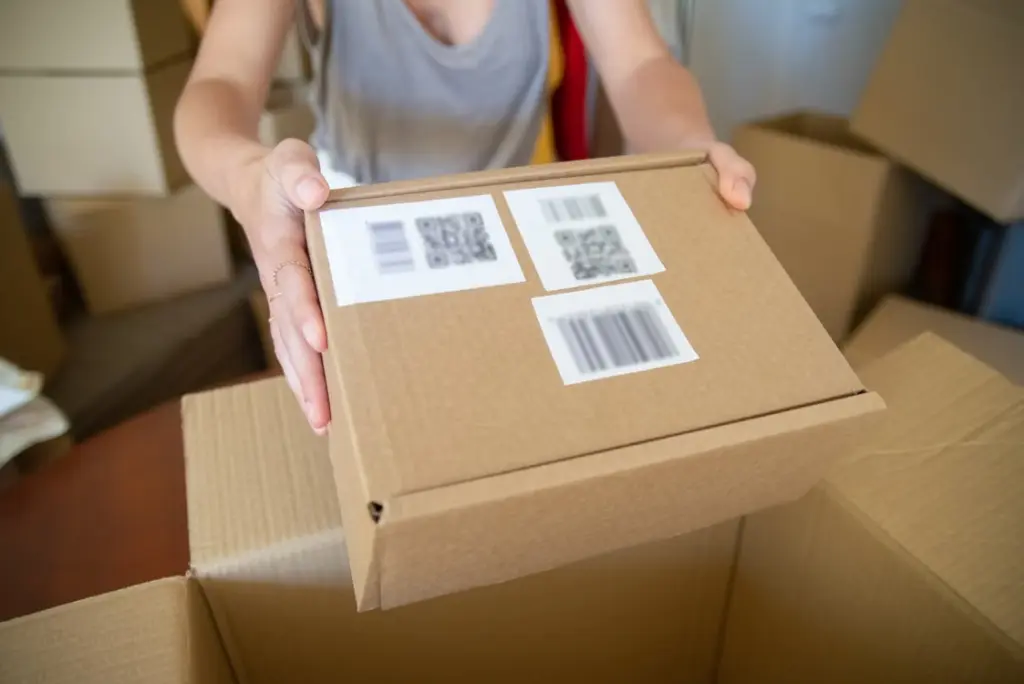
How to Pack a Package: A Complete Guide to Shipping Without Damage
August 19, 2026
Packing a package improperly can lead to real risks: refusal of pickup, additional fees, or delivery delays. This guide details the three key steps for packing a package: choosing the right packaging, securing the contents, and sealing it securely.
Why is it essential to pack a package properly?
A poorly packed package is subjected to repeated impacts during handling and as it passes through sorting machines. Failure to follow packaging guidelines is the leading cause of rejection by the carrier and may result in an unexpected surcharge.
- Packages will be refused if their dimensions exceed the standards
- Automatically Applied Surcharge
- Processing Delay in the Event of a Non-Compliant Item
- Risk of damage due to impacts during transit
Step 1: Choose the right packaging for your package
Proper packaging must be rigid, stable, and rectangular or square in shape. Double-wall corrugated cardboard offers 30% better impact resistance than single-wall cardboard—a factor that should not be overlooked when packing heavy or fragile items.
Recommended Types of Packaging
- New box sized to fit the contents
- Double-wall corrugated cardboard box for heavy items
- Reusing an original cardboard box in good condition
Package Dimensions and Shape
Choose a stable, rectangular, or square shape with a flat surface for affixing the shipping label. Follow the height, width, and length guidelines to ensure you do not exceed the allowed sum of the three dimensions. For bulky or oversized shipments, see our guide to shipping large packages.
Step 2: Secure and protect the contents of your package
Securing the cargo prevents it from shifting during transport. 70% of damage observed during transit is due to insufficient securing, a figure that underscores the need to pay special attention to this step.
Packing a Fragile Package
For fragile items, use double packaging and wrap each piece in bubble wrap. Distribute the weight evenly to prevent the package from becoming unbalanced during handling.
- Bubble wrap to cushion against impacts
- Individual protection for each fragile item
- Even distribution of weight within the box
- Empty space filled to prevent any movement
Preferred cushioning materials
- Kraft paper: an eco-friendly and cost-effective solution
- Bubble wrap: high impact resistance
- Polystyrene chips: lightweight and easy to use
- Foam: Conforms to the shape of irregular objects
- Protective fabric: reusable option
Step 3: Seal and prepare your package for shipping
A secure closure ensures the package is watertight and prevents it from being opened accidentally. Use wide, sturdy packing tape, applied in a cross or H pattern over the flaps of the box.
Adhesive tape and secure closure
Apply the wide adhesive strip along the entire length of the flaps to ensure a secure and durable seal. This technique minimizes the risk of the package opening during shipping.
What You Should Never Do
One out of every 10 packages is delayed because of an object that gets caught in industrial sorting machines. Here are the restrictions that must be strictly observed.
- No handles or protruding parts
- No string around the package
- No gift wrap as outer packaging
- Nothing should protrude beyond the edges of the box
Packing a Package Based on the Type of Shipment
The packaging must be suitable for the chosen mode of transport: courier service, express delivery, international shipping, or specialized cargo. Each type of shipment has different requirements in terms of handling and regulations.
Packages for express shipping or courier service
Express shipping involves frequent handling, which calls for reinforced packaging. Courier services also require special attention to securing the contents, particularly for shipments on pallets.
Packages for International Shipping
For large or international shipments,freight forwarding ensures that packaging and transportation comply with customs regulations. The customs service ensures smooth passage through customs without delays.
Packages containing specific goods
Hazardous materials require ADR compliance, which is available through ourcharter services, including approved packaging and a declaration that complies with current regulations.
How to Pack a Package Properly: A Checklist to Follow?
- Choose a box that is appropriate for the size and weight of the contents
- Verify that the sum of the three dimensions complies with the standard
- Pad the contents with bubble wrap, kraft paper, or foam
- Distribute the weight evenly inside the box
- Seal it with wide adhesive tape in a cross or H shape
- Check to make sure nothing is sticking out or getting caught
MTI Express: Your Partner for Successful B2B Shipments
MTI Express supports businesses with their B2B express shipping, courier services, and freight forwarding, offering recognized customs expertise (Registered Customs Broker) and IATA certification.
- Freight forwarder with expertise in customs clearance
- Multi-carrier management to optimize every shipment
- Support for Air Freight and Specialized Cargo
- Proactive monitoring provided by a dedicated logistics expert